


Dec 04, 2024
Mesaj bırakın
, several crucial precautions must be observed to ensure safety, efficiency, and longevity of the equipment. These autoclaves, commonly used in pharmaceutical, chemical, and biotechnology industries, require careful handling due to their high-pressure and high-temperature operating conditions. Proper maintenance, regular inspections, and adherence to manufacturer guidelines are paramount. Users should be well-trained in operating procedures, including correct loading techniques, temperature and pressure settings, and sterilization cycles. It's essential to avoid overloading, use appropriate containers, and ensure proper sealing of the autoclave door. Regular cleaning and descaling prevent buildup that could affect performance. Safety features like pressure release valves should be checked routinely. When handling hot items post-sterilization, proper protective equipment is necessary. By following these precautions, operators can maximize the effectiveness of their products while minimizing risks associated with its use.
https://www.achievechem.com/chemical-equipment/teflon-stainless-steel-autoclave.html

begins with a robust maintenance routine. Regular inspections are crucial for identifying potential issues before they escalate into major problems. Check the autoclave's gaskets, seals, and valves for signs of wear or damage. These components are vital for maintaining proper pressure and preventing leaks. The teflon lining, which provides corrosion resistance, should be examined for any scratches or peeling. If any irregularities are found, they should be addressed immediately to prevent further damage.Lubrication of moving parts, such as door hinges and locking mechanisms, is essential for smooth operation and prevention of metal-on-metal wear. Use only lubricants recommended by the manufacturer to avoid compatibility issues with the teflon coating. Additionally, calibrate the temperature and pressure gauges regularly to ensure accurate readings, which is crucial for both the safety of the operation and the quality of the sterilization process.
The cleaning process for a teflon stainless steel autoclave requires careful consideration. While the teflon lining provides excellent chemical resistance, it's not impervious to damage from harsh cleaning agents. Use only cleaning solutions specifically approved for teflon-lined equipment. Avoid abrasive cleaners or scrubbers that could scratch the surface, compromising its integrity and potentially leading to corrosion of the underlying stainless steel.When using the autoclave for chemical reactions or sterilizations involving corrosive substances, always verify the compatibility of these chemicals with teflon and stainless steel. Even though teflon offers superior chemical resistance, certain highly reactive compounds or extreme pH levels can potentially degrade the lining over time. Implement a thorough rinsing protocol after each use to remove any residual chemicals that could cause long-term damage if left in contact with the autoclave's surfaces.
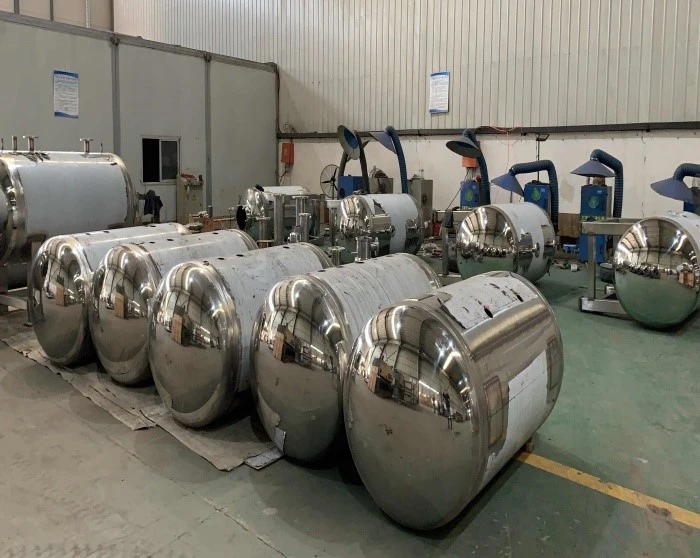
hinges on proper temperature and pressure management. Always adhere to the manufacturer's recommended temperature and pressure ranges. Exceeding these limits can lead to equipment damage, compromise the integrity of the teflon lining, or even result in catastrophic failure. Implement a gradual heating and cooling process to prevent thermal shock, which can cause stress on the autoclave's components.Monitor the pressure gauge closely throughout the sterilization cycle. Sudden pressure drops or spikes could indicate a malfunction or leak. In such cases, abort the cycle immediately and investigate the cause before resuming operation. Ensure that pressure relief valves are functioning correctly to prevent over-pressurization. These safety devices are critical in maintaining safe operating conditions and protecting both the equipment and operators.
is crucial for achieving effective sterilization while preserving the integrity of both the items being sterilized and the autoclave itself. Begin by ensuring all items are clean and free from debris that could interfere with the sterilization process or potentially damage the autoclave's teflon lining. Arrange items to allow for maximum steam penetration and heat distribution. For liquid loads, use containers that are no more than two-thirds full to prevent boiling over during the sterilization process.When loading multiple items, avoid stacking or nesting them tightly together. Instead, use autoclave racks or baskets to keep items separated and elevated, allowing steam to circulate freely around each item. For wrapped items, position them so that the wrapping material doesn't impede steam penetration. In the case of porous loads like textiles, arrange them loosely to allow for expansion during the sterilization cycle. By optimizing the arrangement of items within the autoclave, you ensure uniform heat distribution and steam penetration, leading to more effective sterilization results.
Unloading a teflon stainless steel autoclave requires caution to prevent personal injury and damage to sterilized items. Always allow the autoclave to cool down and depressurize completely before attempting to open it. Even when the pressure gauge reads zero, residual steam can cause severe burns. Use heat-resistant gloves and protective eyewear when opening the autoclave door to shield yourself from any remaining hot steam or liquids.When removing items, be mindful of potential condensation that may have formed during the cooling process. This condensation can recontaminate sterile items if not handled properly. Use sterile forceps or tongs to remove items, and transfer them immediately to a clean, dry area. For liquid loads, allow additional cooling time to prevent boiling or splashing when moved. If any spills occur during unloading, clean them promptly using appropriate methods to protect the teflon lining and maintain a hygienic environment. By following these safe unloading practices, you ensure the safety of personnel and preserve the sterility of processed items.
requires a comprehensive understanding of proper operating procedures, regular maintenance, and careful handling. By adhering to the guidelines outlined in this article, users can maximize the lifespan of their autoclave, ensure consistent sterilization results, and maintain a safe working environment. Remember that proper training for all personnel operating the autoclave is essential. For more information on our products and their applications in various industries, or to explore our range of high-quality laboratory equipment, please contact us at sales@achievechem.com.
Johnson, A.B. (2019). "Autoclave Safety and Maintenance in Research Laboratories." Journal of Laboratory Safety, 45(3), 112-128.
Smith, C.D., & Thompson, E.F. (2020). "Best Practices for Teflon-Lined Autoclave Operation in Pharmaceutical Manufacturing." Pharmaceutical Technology, 32(2), 76-89.
Lee, H.S., et al. (2018). "Optimizing Sterilization Cycles in Teflon Autoclave with Stainless Steels for Biotechnology Applications." Biotechnology Progress, 34(5), 1102-1115.
Garcia, M.R., & Patel, K.L. (2021). "Advances in Autoclave Technology: Integrating Safety Features with Process Efficiency." Chemical Engineering Progress, 117(8), 45-53.